Home / Guides / Commercial product determinations
GuideCommercial determinations,
and what they switch off
Determining that something is a commercial product or service changes which clauses apply and which pricing obligations attach. That makes the determination itself worth documenting properly.
A commercial product or service determination is the conclusion that what you are buying meets the regulatory definition of a commercial product or commercial service. It matters because commercial status affects which contract clauses apply and can exempt an award from certified cost or pricing data requirements, so the basis for the determination belongs in the purchase file.
Three consequences
This is not a labelling exercise. The determination changes obligations, which is exactly why an unsupported one attracts attention.
Three consequences
This is not a labelling exercise. The determination changes obligations, which is exactly why an unsupported one attracts attention.
- A narrower clause set flows down to subcontractors
- Certified cost or pricing data can fall away
- Price is judged by market comparison, not cost elements
| Consequence | What changes |
|---|---|
| Clause obligations | Commercial acquisitions carry a narrower set of contract clauses than non commercial ones, which affects what flows down to your subcontractors |
| Certified cost or pricing data | Commercial status can exempt an award from certified cost or pricing data requirements, which removes a substantial pre-award burden |
| Pricing approach | Price reasonableness for commercial products is typically established by market comparison rather than by examining cost elements |
| Where the risk sits | Because the determination removes obligations, an unsupported one is worth more scrutiny than a conservative call in the other direction |
The difference is the basis
Reviewers rarely challenge a determination because they disagree with the conclusion. They challenge it because the file offers nothing behind it.
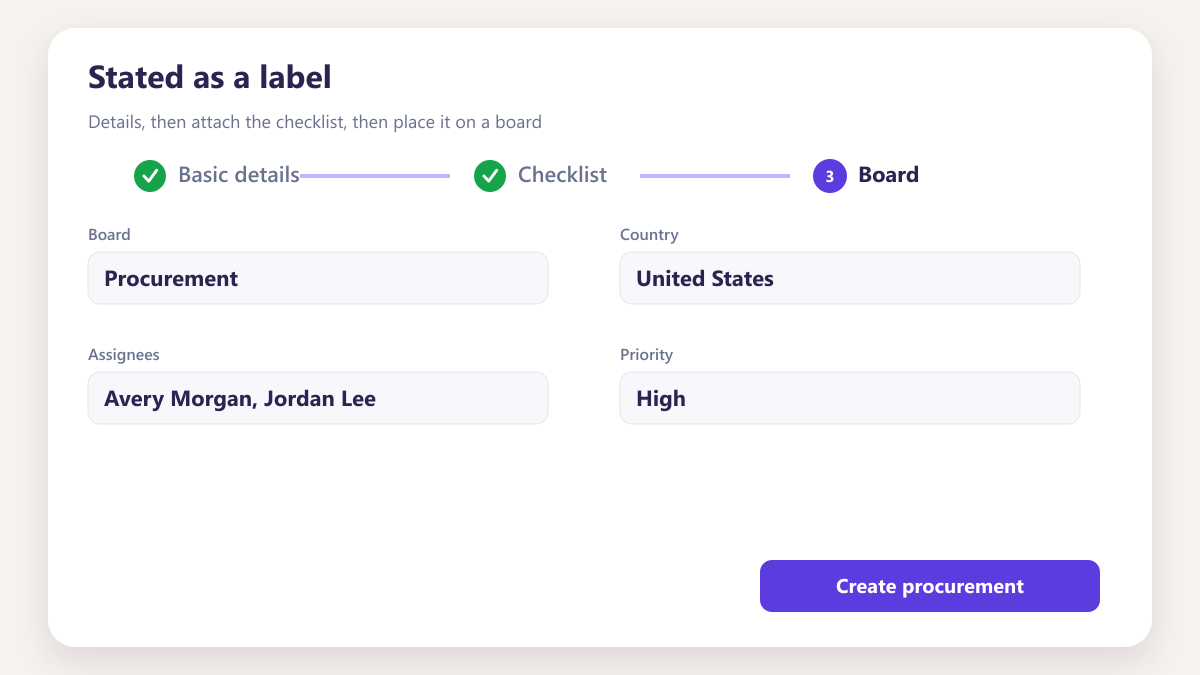
Stated as a label
The file records that the purchase is commercial without any indication of how that conclusion was reached or by whom.
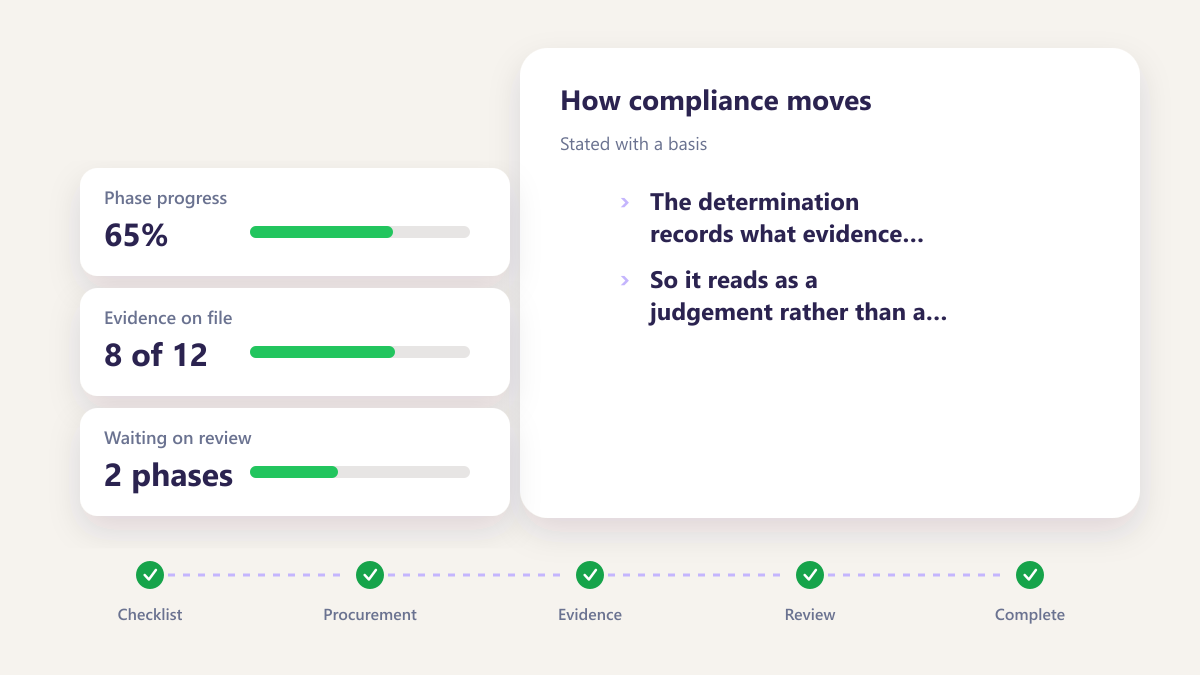
Stated with a basis
The determination records what evidence supported it, who made it and when, so it reads as a judgement rather than a default.
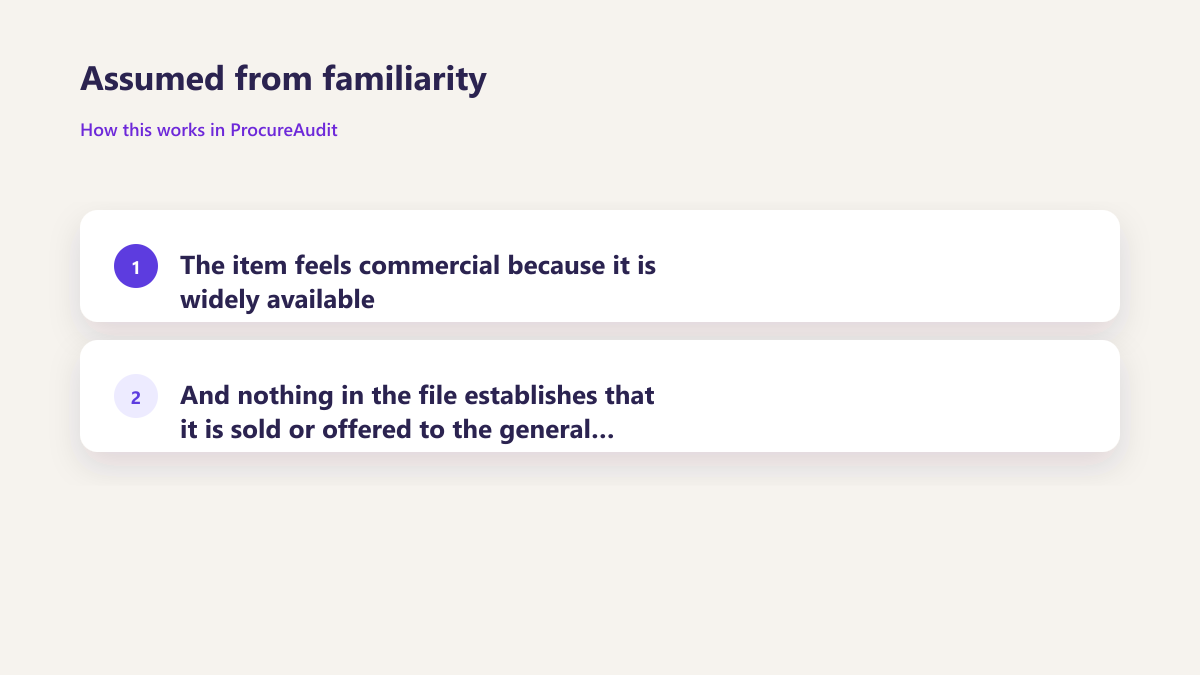
Assumed from familiarity
The item feels commercial because it is widely available, and nothing in the file establishes that it is sold or offered to the general public.
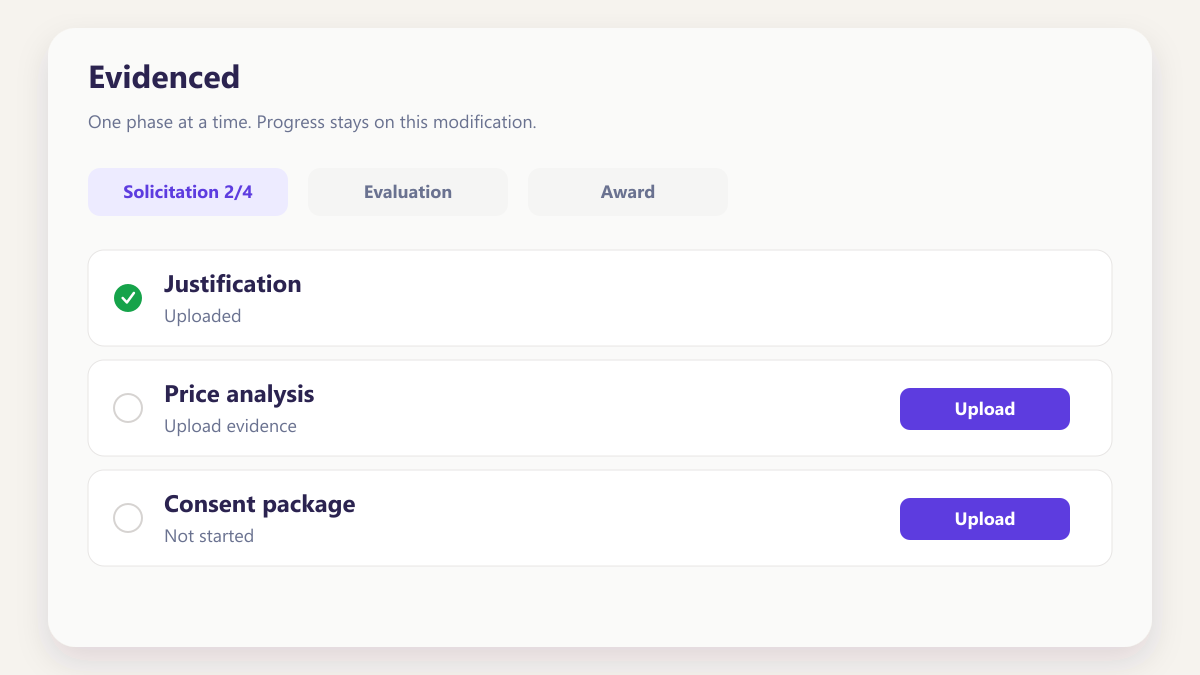
Evidenced
Catalogue material, published pricing or comparable commercial offerings are identified and retained with the determination.
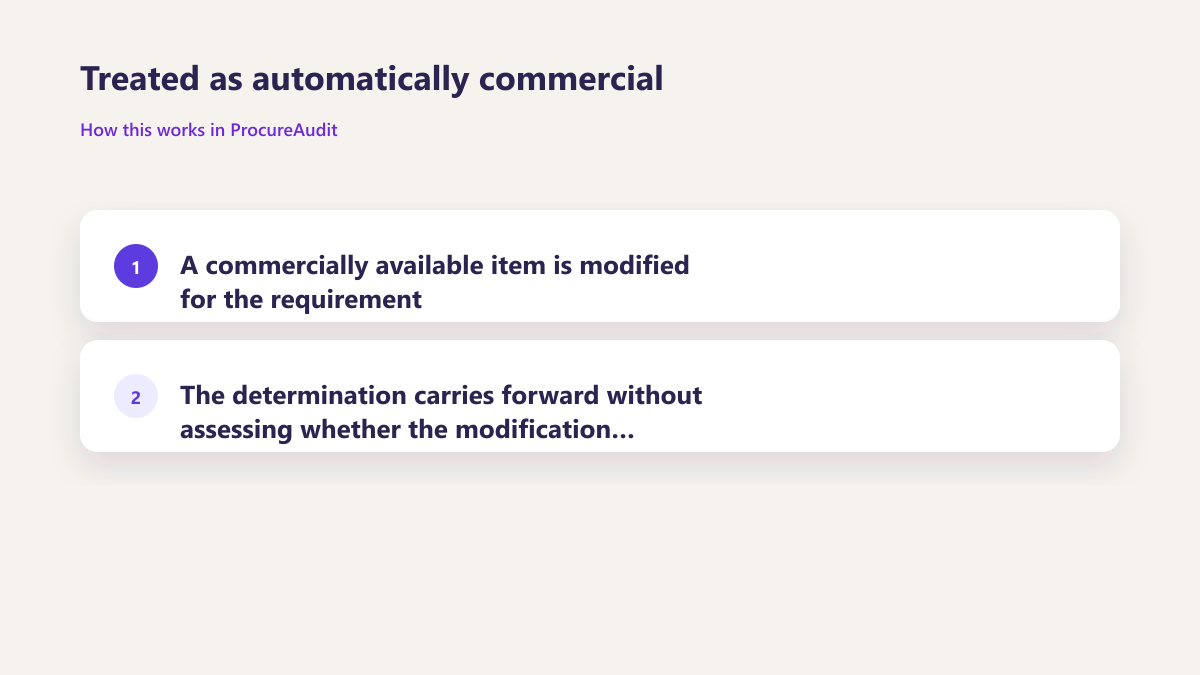
Treated as automatically commercial
A commercially available item is modified for the requirement and the determination carries forward without assessing whether the modification changes the position.
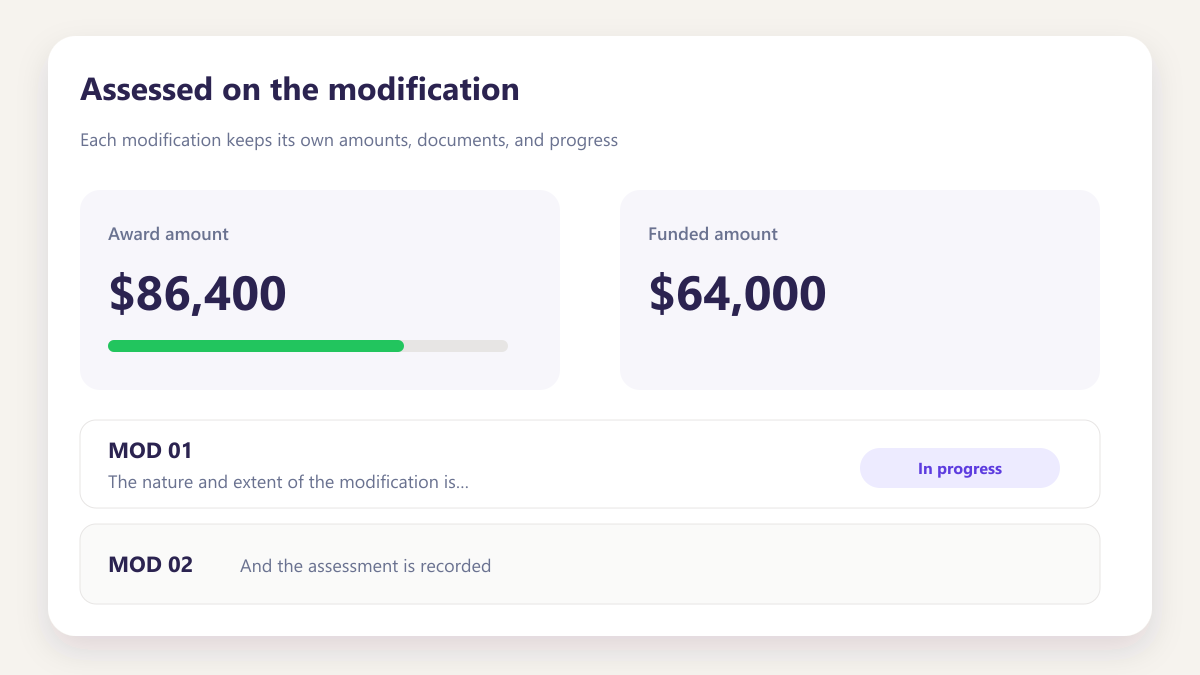
Assessed on the modification
The nature and extent of the modification is considered against the definition, and the assessment is recorded.
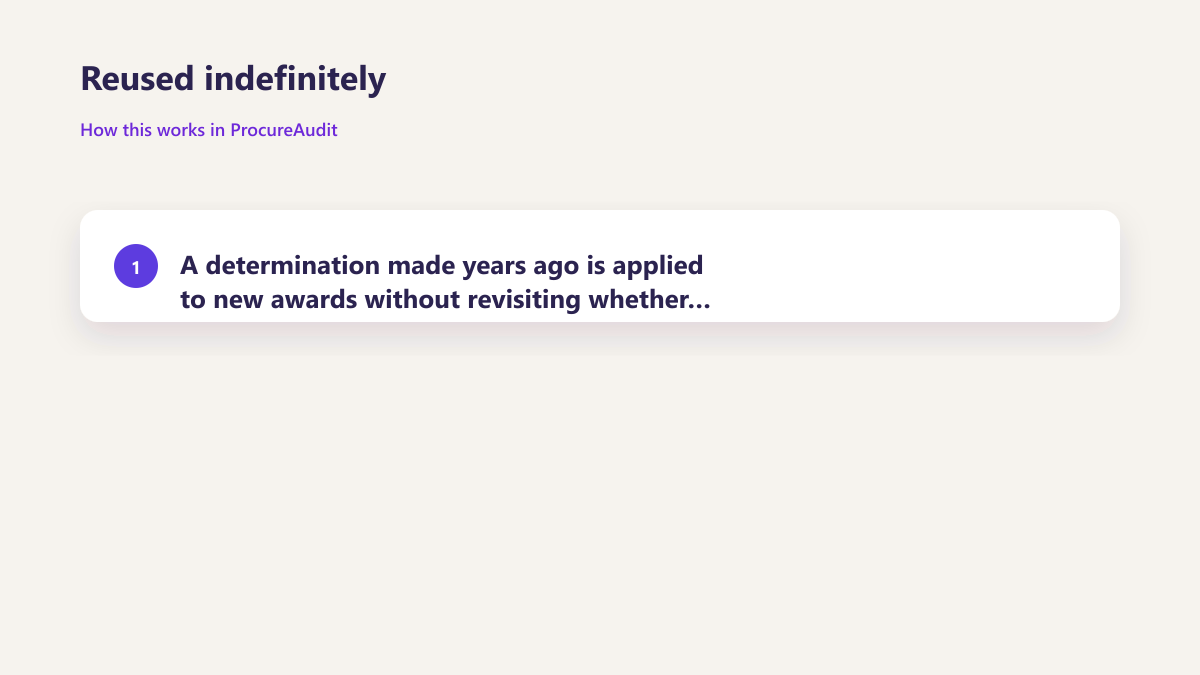
Reused indefinitely
A determination made years ago is applied to new awards without revisiting whether the market or the requirement has changed.
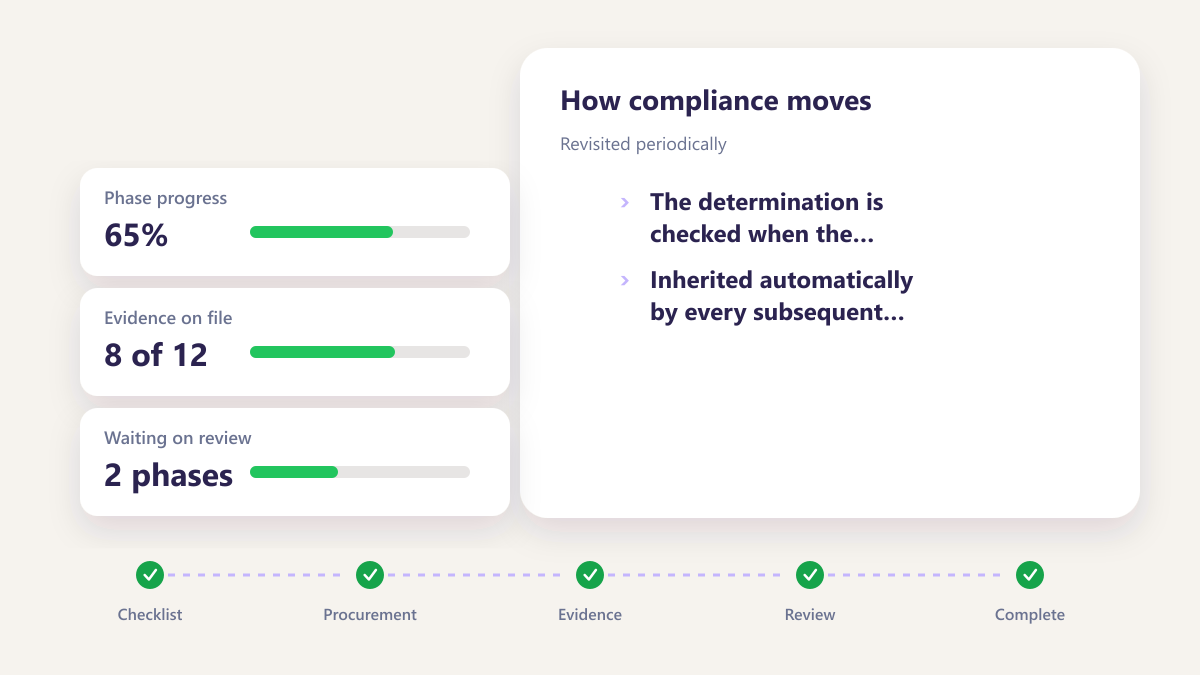
Revisited periodically
The determination is checked when the requirement or the market changes, rather than inherited automatically by every subsequent award.
Five items behind a determination
Five items behind a determination
A supported determination reads as a judgement, not a default. These five items are what make it one.
- The conclusion and the definition it rests on
- Market evidence retained with the award
- Modifications assessed, author and date named
| Item | Detail |
|---|---|
| The conclusion | Whether the product or service was determined to be commercial, stated clearly rather than implied by the clause set used |
| The definition applied | Which limb of the definition the determination rests on, since the definition covers several situations |
| The supporting evidence | Catalogue material, published pricing, or evidence of sale or offering to the general public, retained with the award |
| Any modifications | Where the item was modified, an assessment of whether the modification affects the determination |
| Author and date | Who made the determination and when, so it is attributable rather than anonymous |
The regulatory terminology was updated from commercial item to commercial product and commercial service. Both terms remain in circulation, and definitions are subject to change.
Four practical habits
Record the basis, not just the label
A determination without a basis is a label, and it is the first thing challenged because it removes obligations.
Learn moreKeep the market evidence
Catalogue material and published pricing retained with the award is what turns a judgement into a supported one.
Learn moreAssess modifications separately
A commercially available item modified for your requirement may not carry its determination forward unchanged.
Learn moreRevisit rather than inherit
Determinations made years ago get applied automatically to new awards, and markets and requirements both move.
Learn moreCommon questions about commercial determinations
What is a commercial product determination?
Has the terminology changed?
Why does the determination attract scrutiny?
What evidence supports a determination?
Does modifying an item affect its status?
Can we reuse a determination on later awards?
Who should make the determination?
Other explainers and the pages they connect to
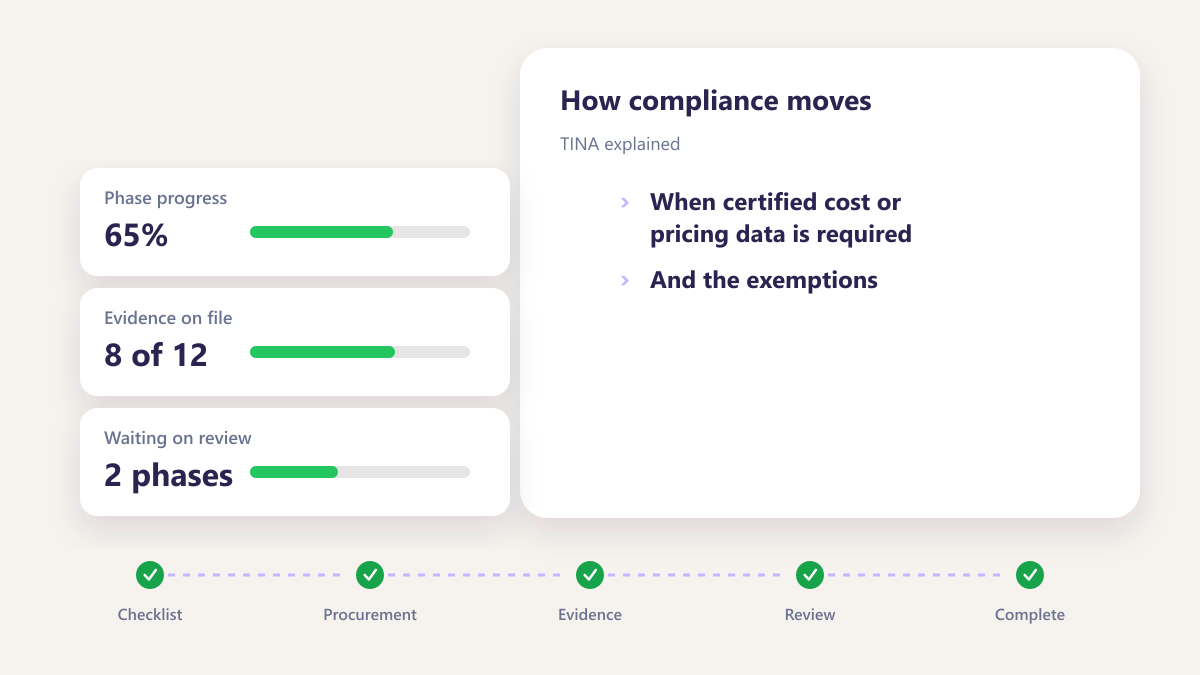
TINA explained
When certified cost or pricing data is required, and the exemptions.
Learn more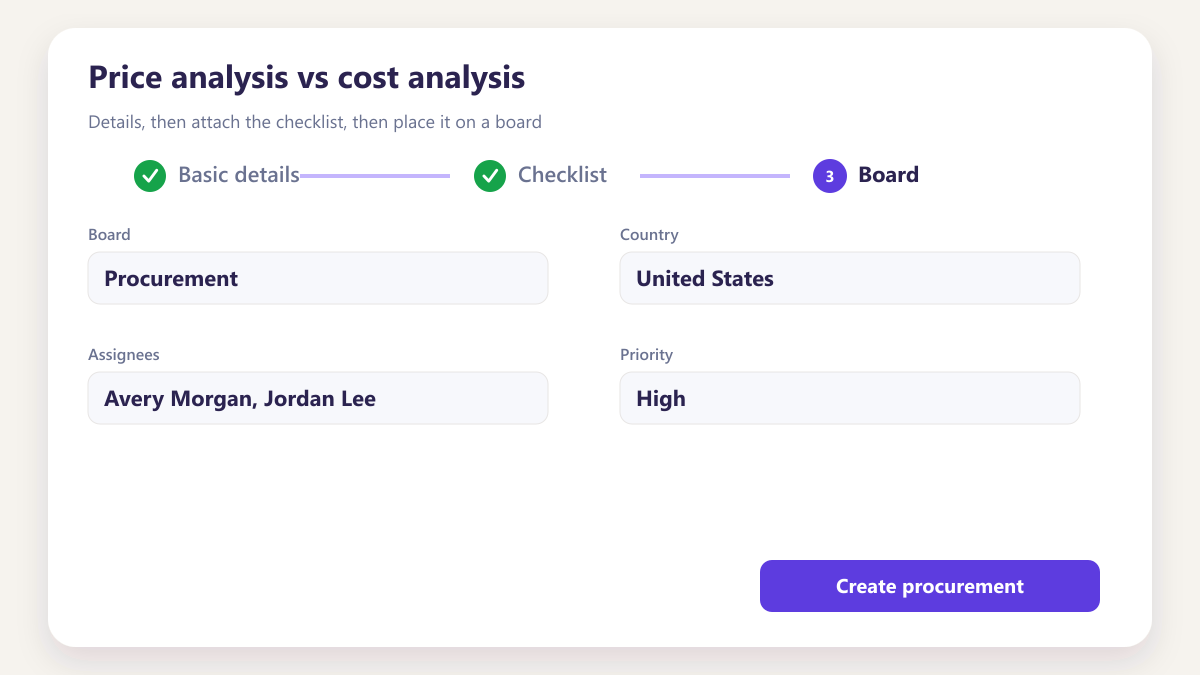
Price analysis vs cost analysis
Establishing price reasonableness by market comparison.
Learn more
Bring a determination you rely on
We will look at what the file holds behind it and whether the basis would survive a question.
Book a demo