Home / Guides / Business system audits
GuidePreparing for an audit,
without assembling it from scratch
Preparation is mostly determined long before an examination is announced. What decides how the weeks go is whether the evidence was built as work happened or has to be collected now.
Preparing for a DCAA audit means having accounting records, rate calculations and supporting evidence available in the form an auditor will request, with the practices behind them documented and consistently applied. Preparation is largely determined by how records were kept at the time, since evidence that was never captured cannot be recovered afterwards.
Establish which examination this is
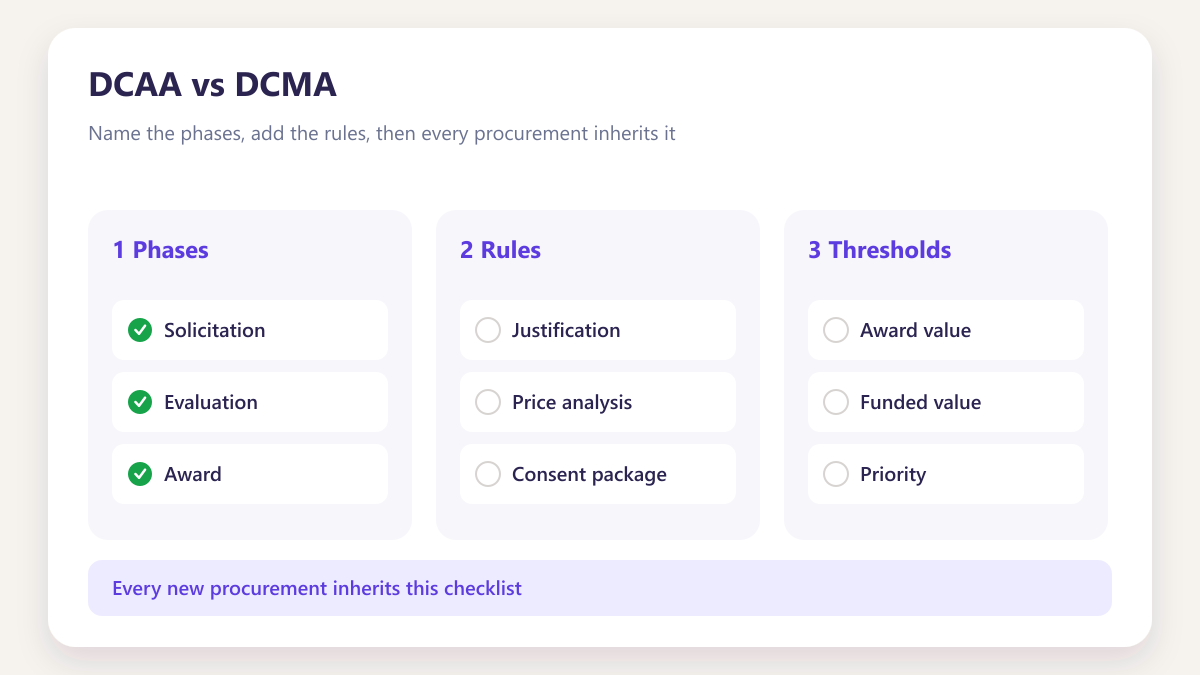
The single most expensive preparation mistake is assembling the wrong evidence, and it happens because both bodies examine contractors and one word covers both.
Establish which examination this is
DCAA performs several kinds of examination. Knowing which one is under way tells you which records will be requested.
- Accounting system, estimating or incurred cost
- Each has its own criteria and record request
- Confirm the scope in writing at the entrance conference
| If it is | Then | Prepared by |
|---|---|---|
| A DCAA audit | Accounting records, rate calculations, cost support and the practices behind them are what will be requested | Finance, with purchasing supporting where subcontract costs are involved |
| A purchasing system review | Purchase files, award reasoning, price or cost analysis and flow-down evidence are what will be sampled | Procurement, with finance supporting on value related phases |
| Both, at different times | The same underlying transactions viewed through different lenses, which is an argument for one record rather than two | Whoever owns the record, with the other function supporting |
| Unclear from the notice | Ask before anybody prepares anything. Reading the notice carefully costs an hour and can save several weeks | Contracts, before mobilising either team |
Four factors, all determined beforehand
By the time an examination is announced, most of what will determine the outcome has already happened.
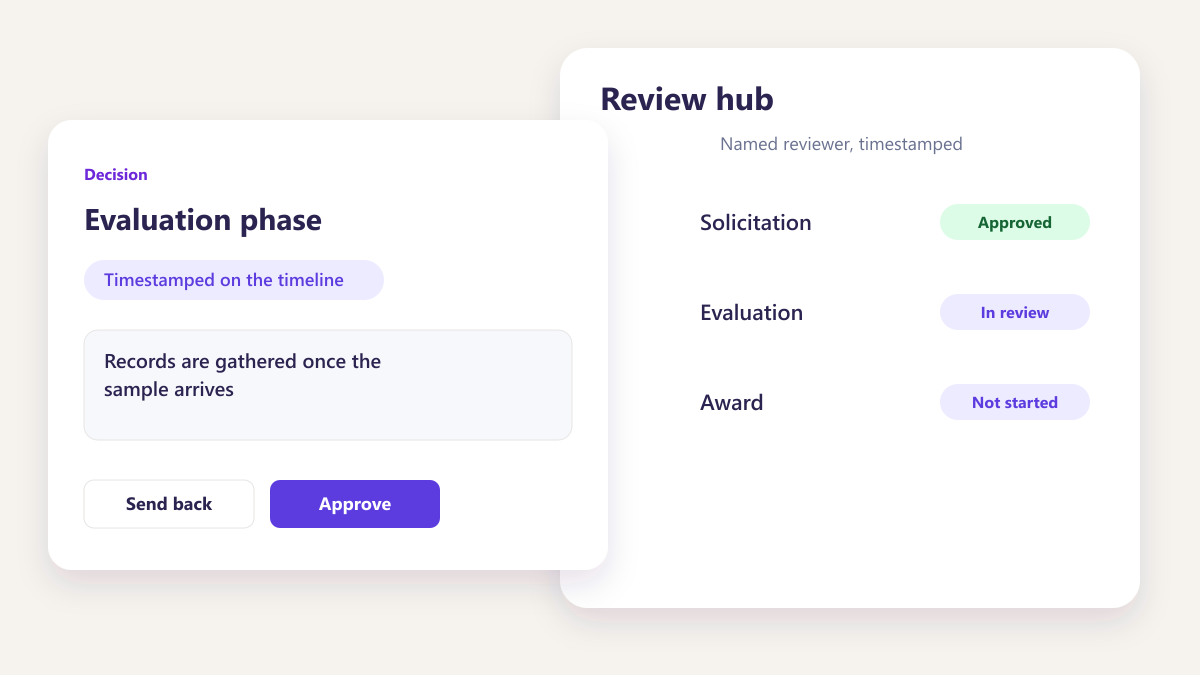
Assembled on request
Records are gathered once the sample arrives, from drives, inboxes and people's recollections, which is slow and reveals gaps under pressure.
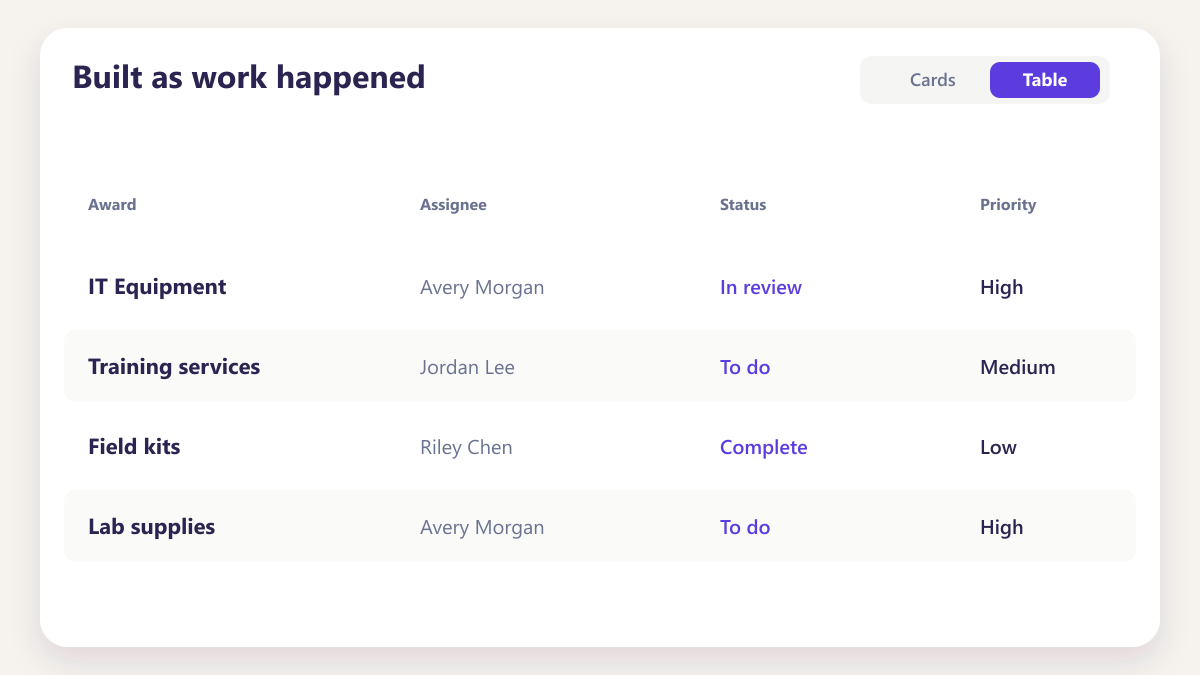
Built as work happened
Evidence sits against the transaction it supports because it was filed there at the time, so producing a sample is retrieval rather than collection.
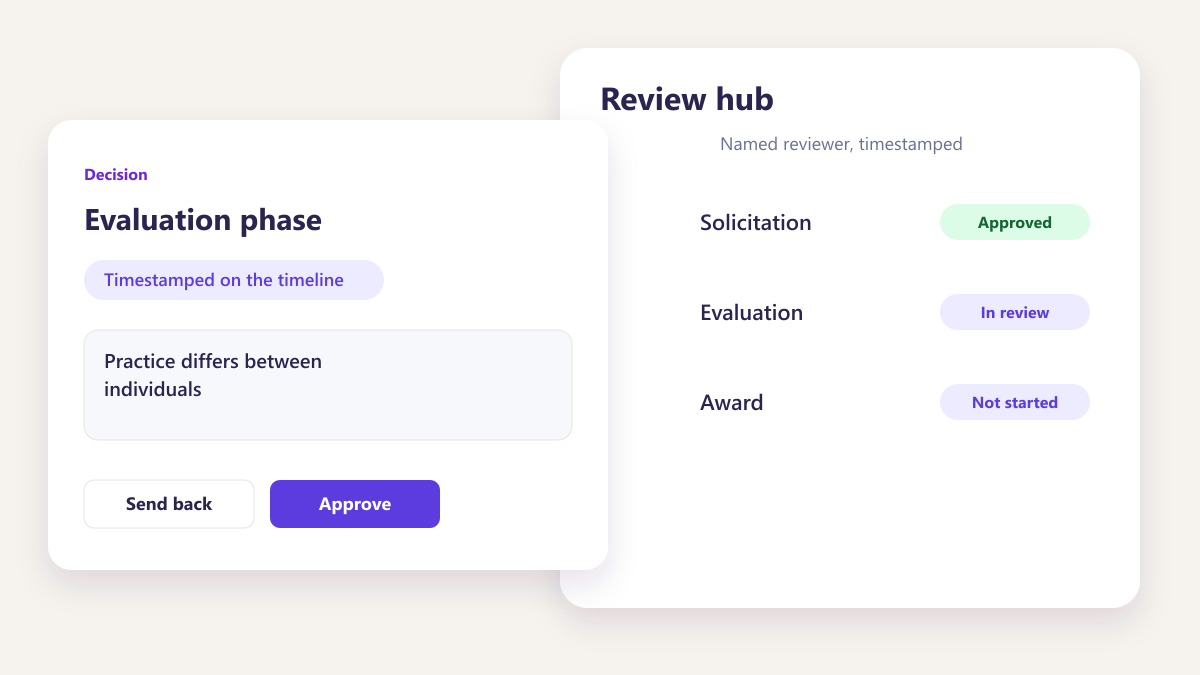
Varies by person and period
Practice differs between individuals and slips in busy periods, which shows up immediately when a sample spans several months and several people.
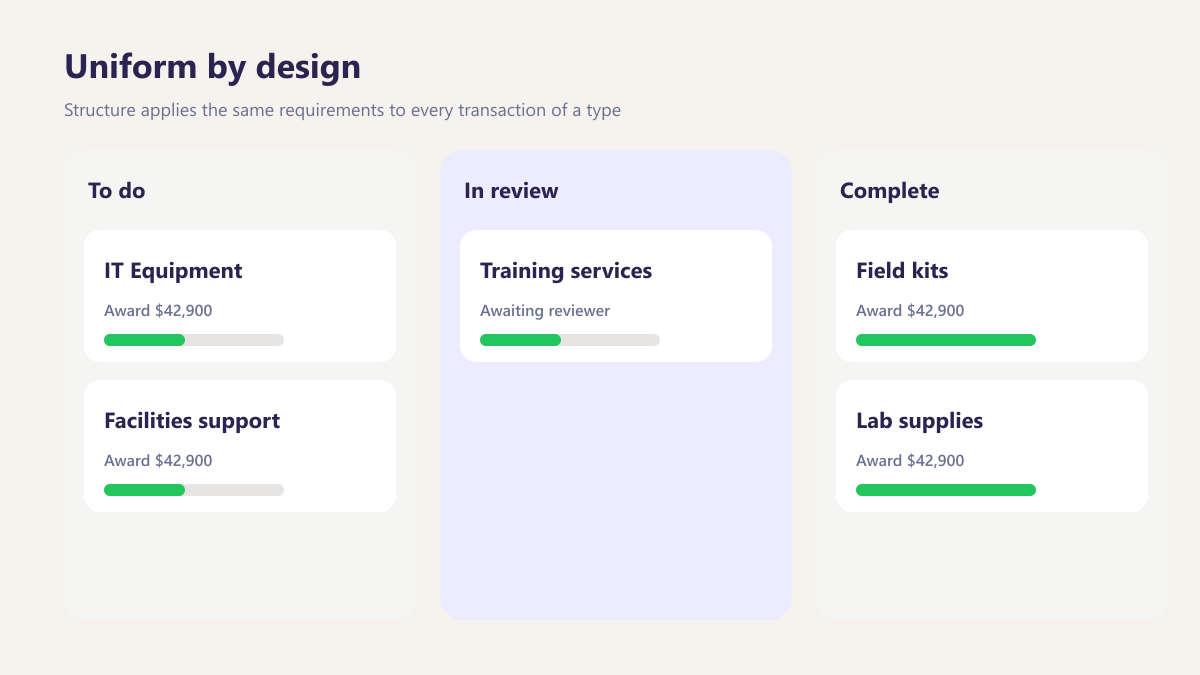
Uniform by design
Structure applies the same requirements to every transaction of a type, so the sample looks the same regardless of who handled it.
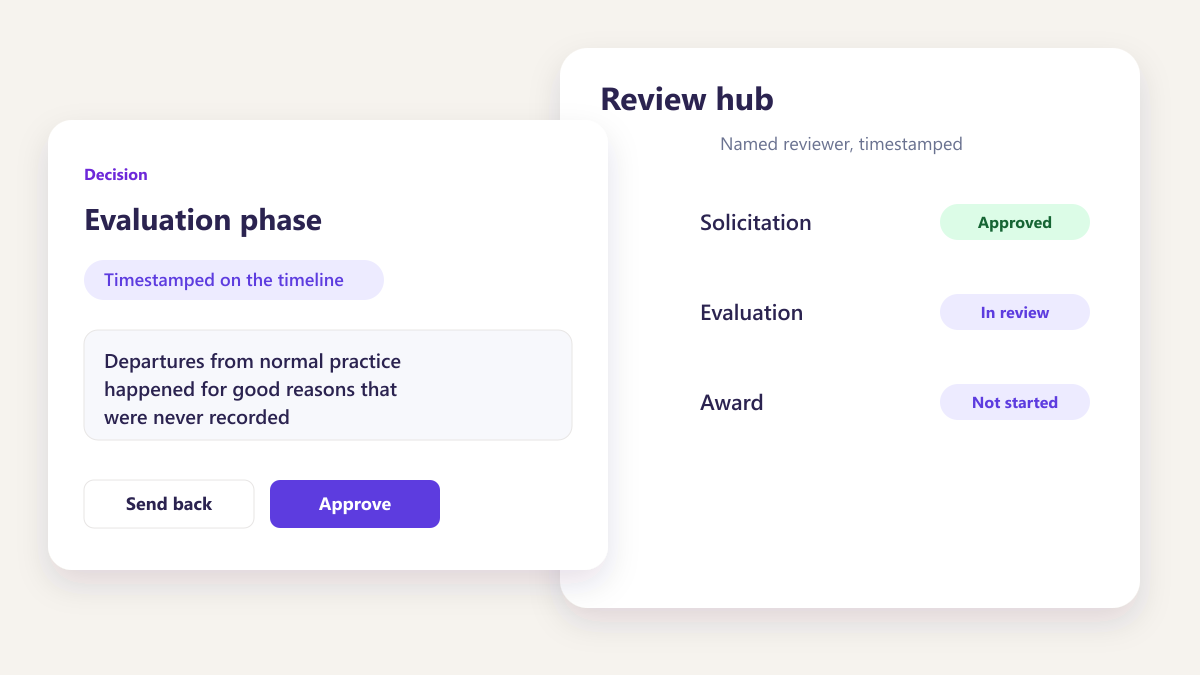
Invisible
Departures from normal practice happened for good reasons that were never recorded, so they look like errors rather than decisions.
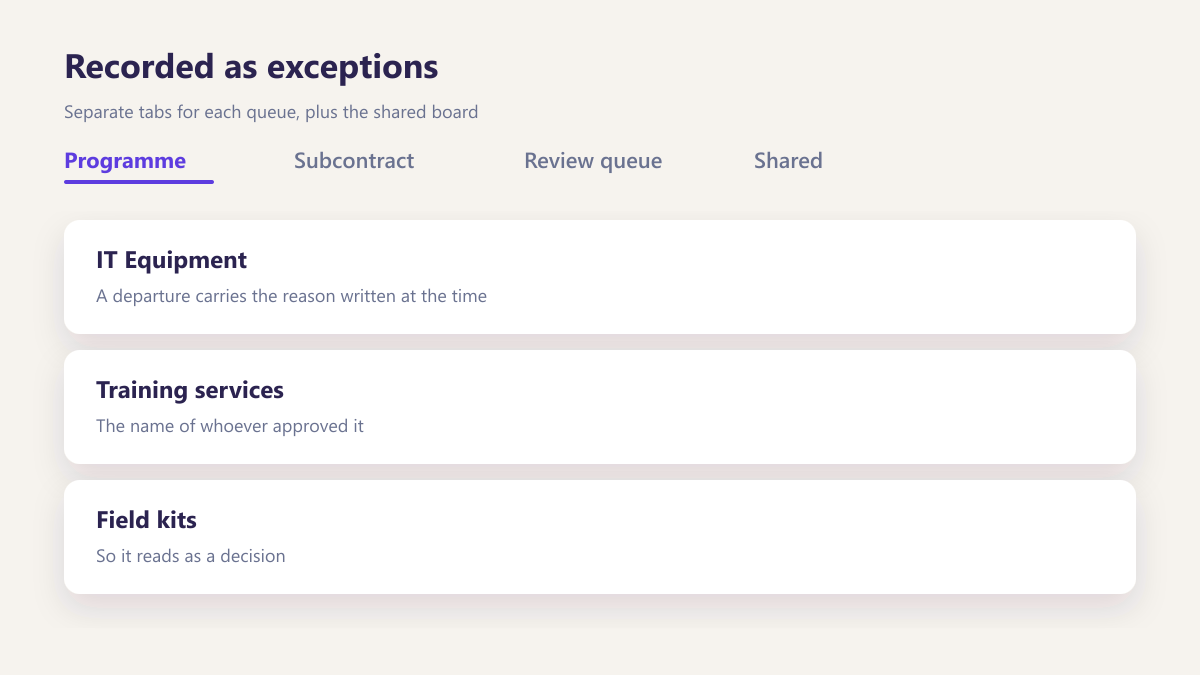
Recorded as exceptions
A departure carries the reason written at the time and the name of whoever approved it, so it reads as a decision.
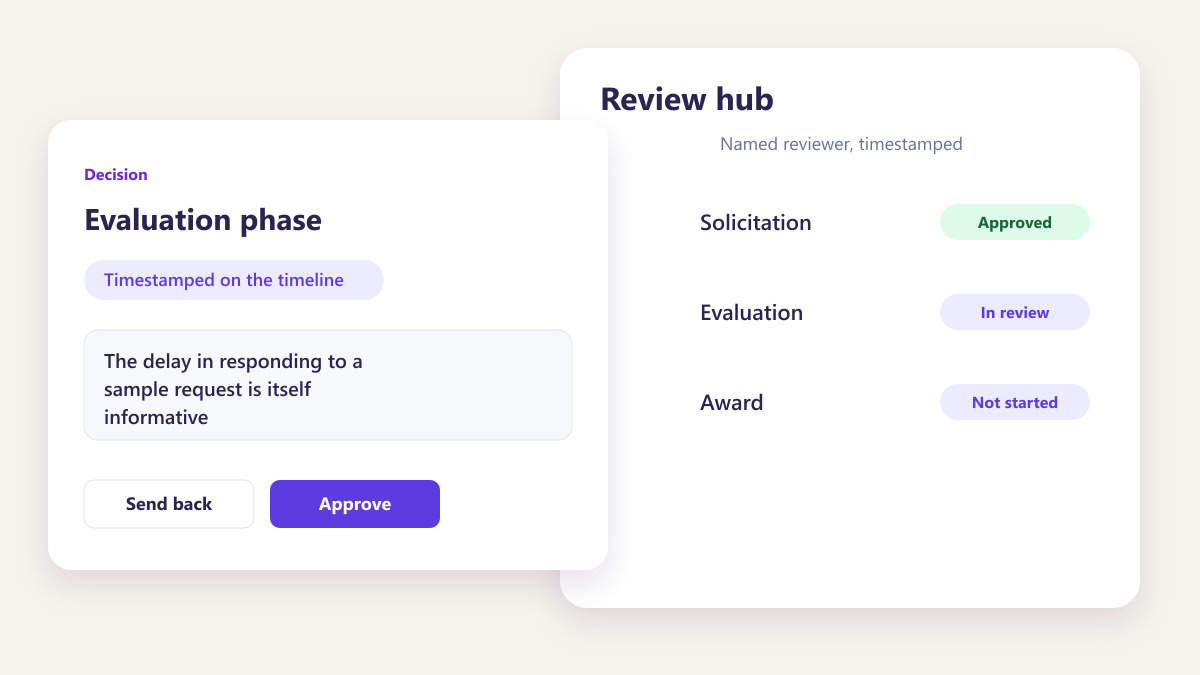
Weeks to produce
The delay in responding to a sample request is itself informative, and examiners generally read a slow response as a signal about the underlying records.
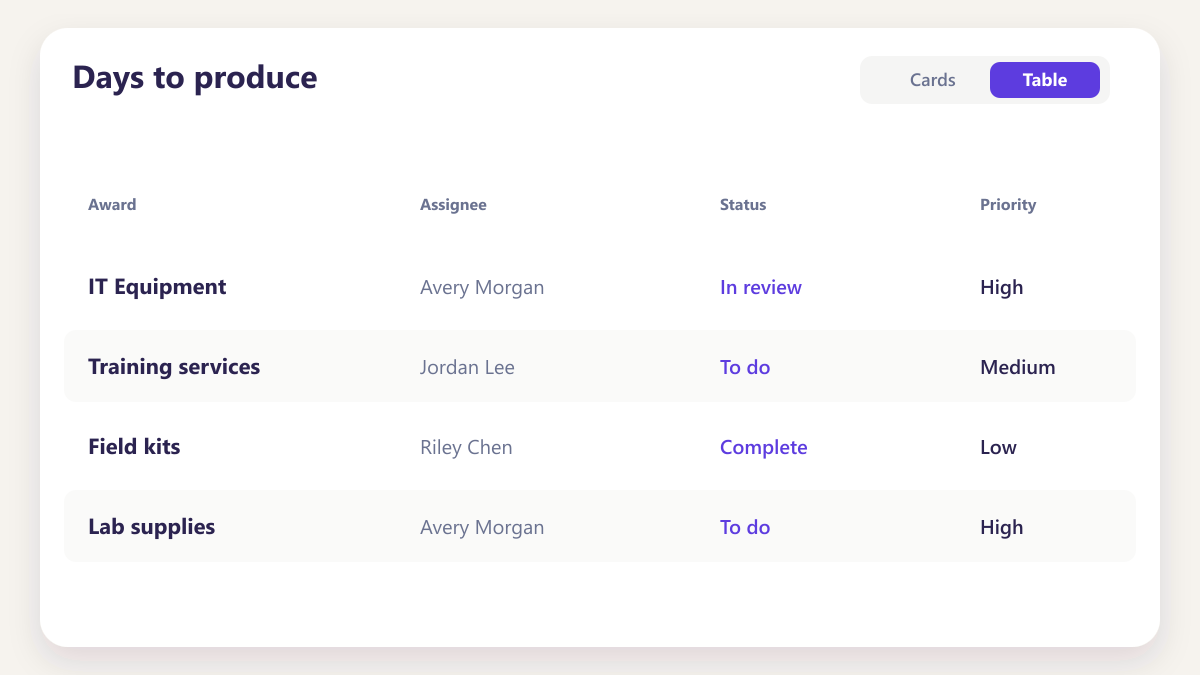
Days to produce
A prompt, complete response narrows the examination rather than widening it, because it suggests the records are in order.
Four points worth building once
Four points worth building once
Some evidence is far cheaper to build once, as part of normal work, than to reconstruct each time an auditor asks.
- Written procedures that match practice
- Records exportable in the form requested
- Approvals captured as the work happened
| Point of overlap | Why one record serves both |
|---|---|
| Subcontract pricing | An auditor may examine how the cost was analysed while a reviewer examines how the supplier was selected. Both questions concern the same award |
| Certified cost or pricing data | Where required on a subcontract, the data and the analysis are relevant to both the accounting position and the purchase file |
| Modifications | Changes affect both the cost position and the purchasing record, and holding them per modification serves both |
| Approvals | Who authorised what, at which value, is asked in both contexts and answered from the same activity record |
Four things that actually help
Establish the examination type first
An hour reading the notice carefully prevents weeks of the wrong team preparing the wrong evidence.
Learn moreCapture evidence as work happens
Preparation is largely decided beforehand, because evidence nobody recorded cannot be recovered later.
Learn moreRecord deviations as exceptions
A departure with a reason attached reads as a decision. The same departure without one reads as an error.
Learn moreBuild one record for both
The same transactions get examined from two angles, so producing the material twice is avoidable effort.
Learn moreCommon questions about audit preparation
What does DCAA examine?
How is that different from a purchasing system review?
How far ahead should we prepare?
What if our practice deviated from our written procedure?
Does response time matter?
Can one set of records serve both examinations?
Who should lead preparation?
Other explainers and the pages they connect to
Internal audit
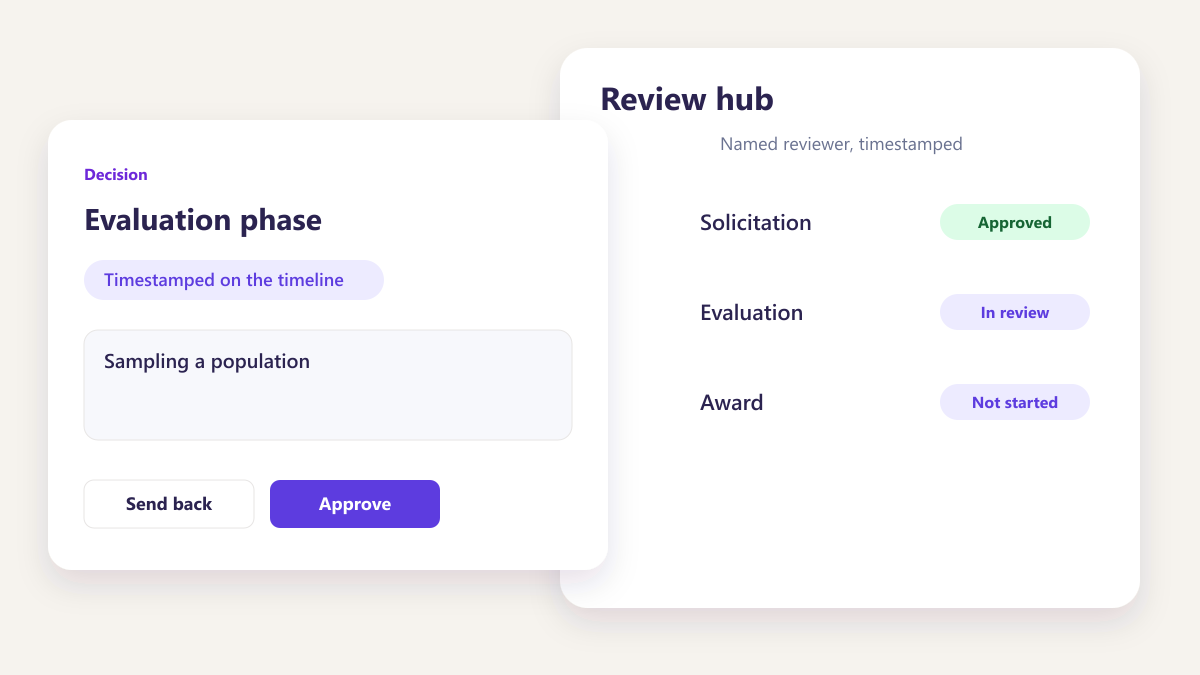
Sampling a population and getting the support without a collection exercise.
Learn more
Bring a sample request you have had
We will walk through what producing it would look like from records built as the work happened.
Book a demo